




vehicle-maintenance-checklist
Check the oil level every time you put gas in your car or at least once a month. Your owners manual will tell you how to do this. Keep a quart or two of oil in your trunk as well as a funnel, so you can top off the oil as needed.Check the coolant/anti-freeze. Do not open the radiator cap if the engine is hot. Look at the level of the coolant reservoir. Your owners manual can tell you where to find this and any other reservoirs in your vehicle. Check the instructions on your coolant to add it directly or mix it 50/50 with distilled water before adding.Inspect the windshield wiper fluid container and add more fluid as needed.Have someone turn the headlamps on and off, step on the brakes, turn on the emergency lights, and try the turn signals as you walk around the vehicle. You can then tell if any bulbs are burnt out and require replacing.
Three Months or 3,000 Miles
Check the pressure in all tires if your vehicle does not have a Tire Pressure Monitor. Fill the tire with air if needed. The recommended pressure is usually listed inside the drivers door or in the owners manual. Make sure that the tires remain undamaged.Inspect the battery to ensure that it is free of corrosion and mounted securely. Check that any cables are fastened properly.Look at the automatic transmission fluid with the engine running and the vehicle in Park. Add as needed.Check that the engine air filter is close to white or off-white. If its dirty, replace it.From now until 5,000 miles, consider changing the oil and filter. Dont forget that every new Chevy gets its first maintenance for free, which includes an oil and filter change, within the first year of ownership.
Six Months or 6,000 Miles
Replace the wiper blades to help keep your front view clear.Clean your car at least twice a year or whenever it gets dirty. During the winter, clean your vehicle once a month if it has to endure salt on the roads.Have your tires rotated at our Service Department, so that they wear evenly on all sides.
12 Months or 12,000 Miles
Have the brake system checked by our Service Department.Once a year, change the cabin air filter (as opposed to the engine air filter).Replace the coolant at least once a year. If the liquid seems to be disappearing faster than usual, you may have a leak in the coolant system.
Other Intervals
You can do the following maintenance when you notice certain issues or at intervals greater than two years.
If your tires are wearing unevenly or your vehicle pulls to the right or left when youre trying to go straight, your wheels may be misaligned. Take your car to our Service Department to have the wheels aligned.If you have trouble starting your engine or your battery is over three years old, have it checked and replaced as needed.Tires typically last between six and 10 years, so check the depth of the treads if yours are that old. Put a penny into the tread with Lincolns head upside down. If you can see the top of his head, then your treads are worn and your tires must be replaced.You may need a flashlight to inspect your brake pads. If they look to be less than 1/4-inch thick, they need replacing. If your brakes have a built-in wear indicator, they will squeal when they get too thin.Look at the timing belt as directed by your owners manual. They typically need replacing between 60,000 and 90,000 miles.
Vehicle Maintenance Checklist Blog

The key to driving your vehicle for as long as you want is to keep it well-maintained. Here’s a handy checklist of what you should be doing for your car at certain times. Keep in mind that if you bring your vehicle in for regular servicing, we perform many of these services for you as part of the maintenance schedule. If you have any questions, please give our Service Department a call at Sun Chevrolet near Pittsburgh, PA.
Every Month
- Check the oil level every time you put gas in your car or at least once a month. Your owner’s manual will tell you how to do this. Keep a quart or two of oil in your trunk as well as a funnel, so you can top off the oil as needed.
- Check the coolant/anti-freeze. Do not open the radiator cap if the engine is hot. Look at the level of the coolant reservoir. Your owner’s manual can tell you where to find this and any other reservoirs in your vehicle. Check the instructions on your coolant to add it directly or mix it 50/50 with distilled water before adding.
- Inspect the windshield wiper fluid container and add more fluid as needed.
- Have someone turn the headlamps on and off, step on the brakes, turn on the emergency lights, and try the turn signals as you walk around the vehicle. You can then tell if any bulbs are burnt out and require replacing.
Three Months or 3,000 Miles
- Check the pressure in all tires if your vehicle does not have a Tire Pressure Monitor. Fill the tire with air if needed. The recommended pressure is usually listed inside the driver’s door or in the owner’s manual. Make sure that the tires remain undamaged.
- Inspect the battery to ensure that it is free of corrosion and mounted securely. Check that any cables are fastened properly.
- Look at the automatic transmission fluid with the engine running and the vehicle in Park. Add as needed.
- Check that the engine air filter is close to white or off-white. If it’s dirty, replace it.
- From now until 5,000 miles, consider changing the oil and filter. Don’t forget that every new Chevy gets its first maintenance for free, which includes an oil and filter change, within the first year of ownership.
Six Months or 6,000 Miles
- Replace the wiper blades to help keep your front view clear.
- Clean your car at least twice a year or whenever it gets dirty. During the winter, clean your vehicle once a month if it has to endure salt on the roads.
- Have your tires rotated at our Service Department, so that they wear evenly on all sides.
12 Months or 12,000 Miles
- Have the brake system checked by our Service Department.
- Once a year, change the cabin air filter (as opposed to the engine air filter).
- Replace the coolant at least once a year. If the liquid seems to be disappearing faster than usual, you may have a leak in the coolant system.
Other Intervals
You can do the following maintenance when you notice certain issues or at intervals greater than two years.
- If your tires are wearing unevenly or your vehicle pulls to the right or left when you’re trying to go straight, your wheels may be misaligned. Take your car to our Service Department to have the wheels aligned.
- If you have trouble starting your engine or your battery is over three years old, have it checked and replaced as needed.
- Tires typically last between six and 10 years, so check the depth of the treads if yours are that old. Put a penny into the tread with Lincoln’s head upside down. If you can see the top of his head, then your treads are worn and your tires must be replaced.
- You may need a flashlight to inspect your brake pads. If they look to be less than 1/4-inch thick, they need replacing. If your brakes have a built-in wear indicator, they will squeal when they get too thin.
- Look at the timing belt as directed by your owner’s manual. They typically need replacing between 60,000 and 90,000 miles.
Convenience
The 2021 Chevrolet Trailblazer is loaded with technology to make your driving experience more comfortable and enjoyable. You have power seats, a panoramic power sunroof: a hands-free power liftgate and remote start, and keyless ignition.
Intellebeam Auto High Beam Assist
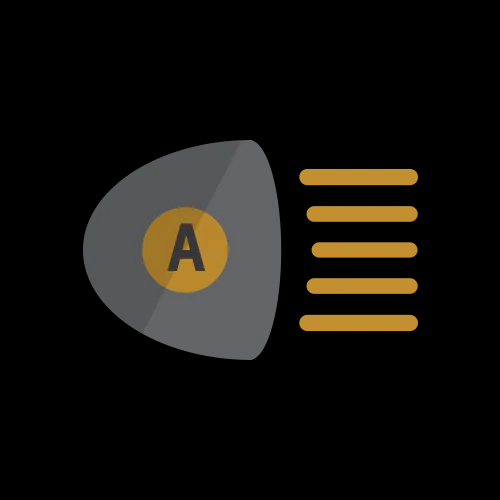
Automatically turns high beams on and off according to the traffic conditions.
Following Distance Indicator
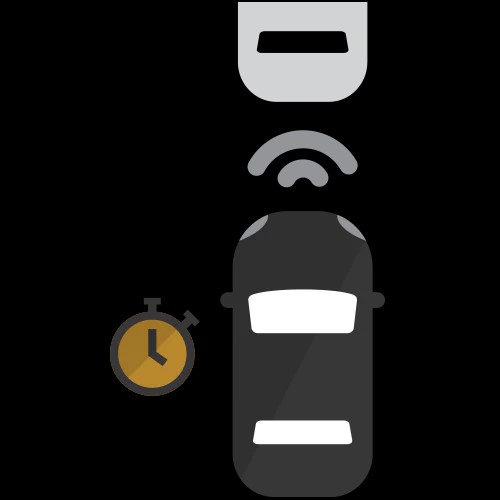
Following too closely to the vehicle in front of you can be dangerous. The system measures the seconds it would take to stop calculating the distance between your car and the one in front of you to determine if you are following too closely. If you are, you will be alerted. Common sense then tells the driver to slow down and back off from the car in front of them to avoid an accident.
Lane Keep Assistance and Lane Departure Warning
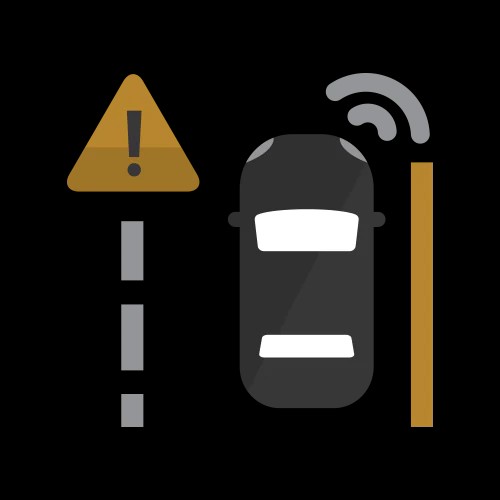
The lane assist and departure system alerts you when you cross either the center or white line with an audio vibration sound, and your SUV will gently move from side to side (while not moving — so it’s more of a shaking than moving motion). A good thing about this technology is that in the unlikely chance you fall asleep while driving, the system may also gently steer you back into the center of the lane. You may also receive numerous lane depart warnings, which can be loud ding sounds.
Front Pedestrian Braking
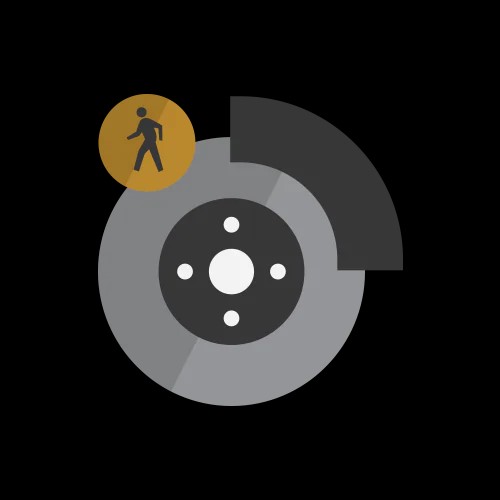
You will find that the faster you drive, the less likely some of your safety technology will work. For example, suppose you are driving under 50 mph during the day. In that case, the front pedestrian braking system will help you avoid having a front-end collision with a pedestrian because it will detect the pedestrian sooner than if you were driving over 55 mph.
Once the pedestrian alert has been triggered, the technology will help you brake harder and faster, or the automatic emergency braking system will kick on and work with your efforts to stop the SUV. Unfortunately, much like a driver, it is difficult to see a pedestrian at night. The technology also has a more difficult time because of poor visibility. That does not mean its system doesnt work at night. It just means it is slower to detect and respond. Thats why as a driver, you must always be on top of your game.
Forward Collision and Automatic Emergency Braking
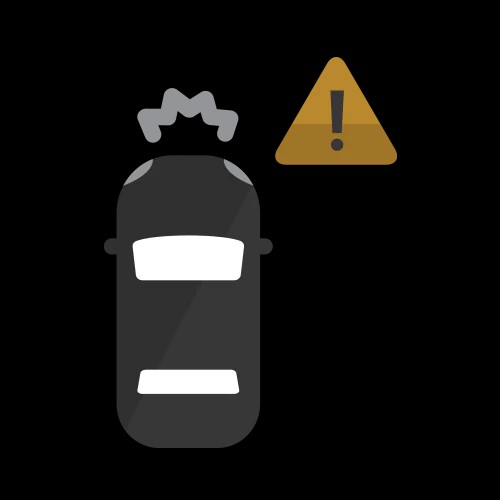
Even though you have superior technology to help avoid an accident. Being a good driver does not always mean you will see a deer run out in front of your car. Or that other drivers are not as attentive to their driving as you are, so thats where driving technology comes into play. Its an added security measure to help keep you and your passengers safe.
This technology can warn you when there is the potential for a head-on collision or if the vehicle in front of you stops quickly. The technology will warn you so you can react quicker than you would without the technology. Hopefully, avoiding an accident. If you know what may be coming, you can have a jump start on a possible plan to move out of the way of an oncoming vehicle or slow down and be able to stop before hitting a stopped car.The tailgate alert lets you know when you are dangerously close to the car in front of you. If you are following too closely and not leaving the recommended amount of space, you will be alerted.If you are traveling below 50 mph during the day, the technology system will work in combination with the forward collision alert system to avoid a front-end collision.Camera technology is still relatively new. It used to be a back-up camera now. Many vehicles have the 360-degree camera systems, so drivers can see in front and back of the SUV and both sides. This technology is an excellent benefit if youre going to back into a car or another object. The automatic emergency brake also you to brake quicker and harder, hopefully avoiding the vehicle or other object.
Chevy Safety Assist
Driver assistance features are great technology tools, but they don’t replace the drive or the responsibility to drive the SUV safely. As a driver, you must always be attentive and pay attention to your surroundings. The tech tools will help you avoid collisions, but ultimately it is up to the driver, not the technology. If the weather is bad and visibility is low, you will still need to be more vigilant and pay closer attention to your driving. Technology is not intended to replace good driving practices.
Infotainment Three System
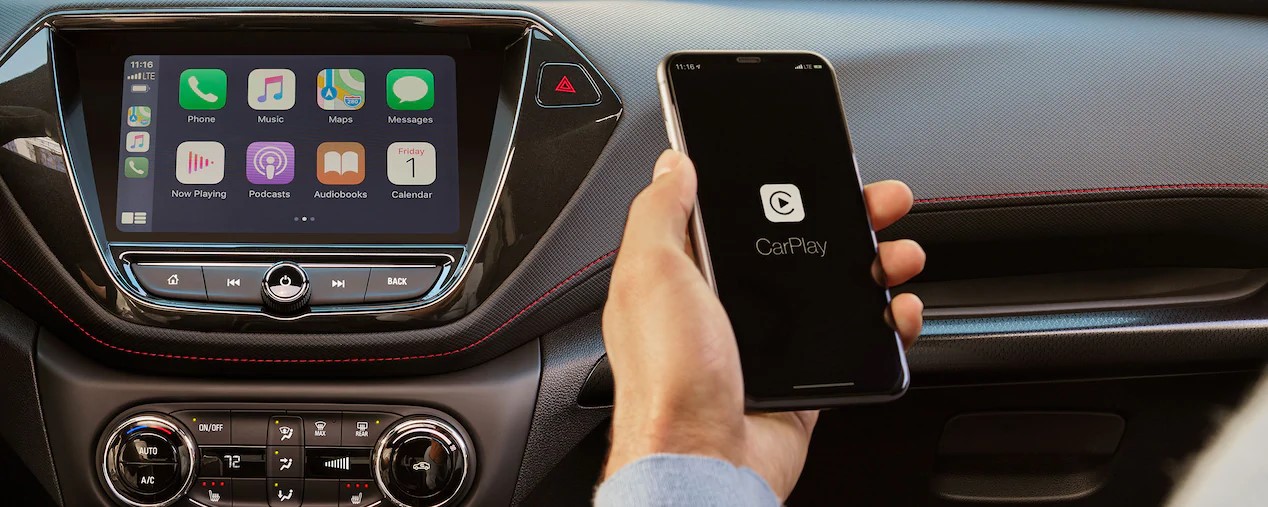
The Chevrolet Infotainment Three System has two choices for a screen, either 7- inch or 8-inch. Both screens are color and touchscreens. They are voice activated through your smartphone. The system allows you easy access to all your favorite apps. You can listen to your favorite music, audiobooks, podcasts, catch up on the news and weather. You can also use the voice-activated system that comes through your smartphone to receive and make phone calls, text messages, built-in easy navigational system.
You can keep your cell phone charged with several USB ports or use the wireless charging system. You can enjoy music through the four-audio speaker system. You can even upgrade to six or seven speakers if you choose. The Trailblazer also has a built-in Alexa you can connect to your smart home. It can turn lights on and off and adjust the climate, set the sprinklers, and you can take a peek at your home when you’re out. You can even shop online through Amazon.
Connect with us

- May 2025
- May 2024
- January 2024
- October 2023
- September 2023
- July 2023
- May 2023
- February 2023
- January 2023
- December 2022
- November 2022
- October 2022
- September 2022
- August 2022
- July 2022
- May 2022
- April 2022
- November 2021
- September 2021
- August 2021
- July 2021
- June 2021
- May 2021
- April 2021
- February 2021
- January 2021
- December 2020
- September 2020
- August 2020
- July 2020
- June 2020
- May 2020
- April 2020
- February 2020
- January 2020